
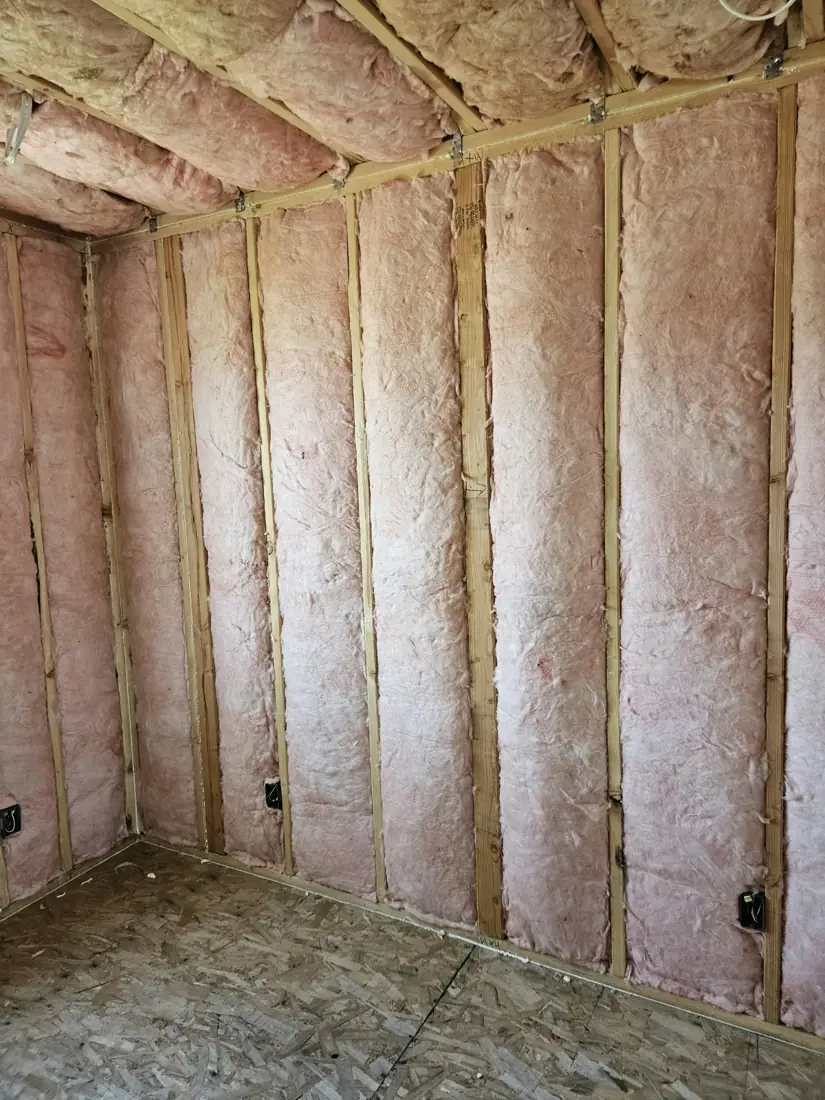
Yes, we install fiberglass and mineral wool batt insulation in San Jose and throughout the Bay Area for new construction, additions, remodels and commercial tenant improvements. Most jobs are scheduled around your drywall date and finished in one to two days, ready for the insulation inspection.
Batts look simple, and that is exactly why they are so often done badly. A batt that is squished behind a wire, cut short around an outlet box, or left with a gap at the top plate can lose a big chunk of its rated performance. We have been installing batts for 19+ years, and the difference is in the fitting: every batt cut to the cavity, split around wires, and tight to all six sides without being compressed.
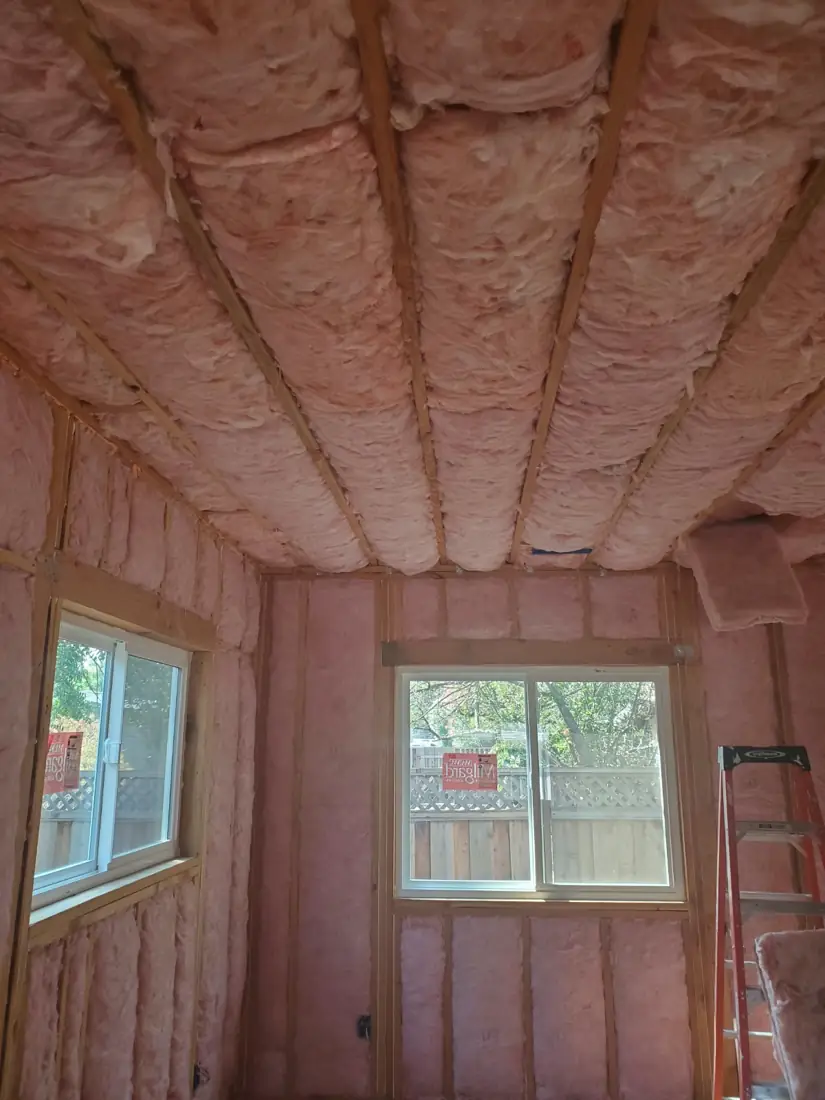
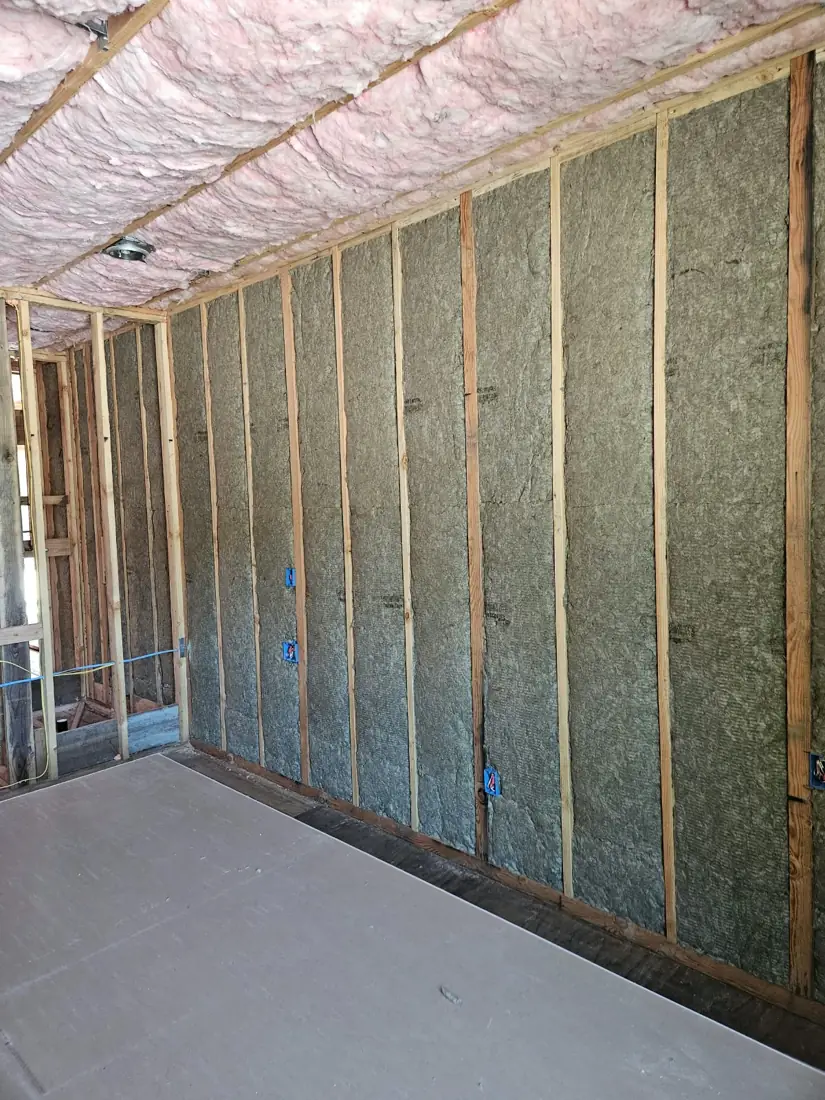
Where we install batt insulation
- New construction and ADUs. Exterior walls, ceilings, floors and interior sound walls, scheduled to your framing and drywall timeline.
- Additions and remodels. Whenever walls or ceilings are open, it is the cheapest moment to insulate properly.
- Raised foundation floors. Underfloor batts on new builds and over crawl spaces in existing homes.
- Interior sound walls. Bedrooms, bathrooms, laundry rooms, home offices and media rooms.
- Commercial interiors. Tenant improvements, office walls and demising walls.
How we install batts
- Review the plansWe confirm the R-values and any faced or unfaced requirements on the plans or energy compliance documents, and note any special areas like sound walls.
- Fit every cavityBatts are cut to length and width. Where wiring runs through a bay, we split the batt so it goes around the wire instead of being crushed behind it.
- Around boxes, pipes and windowsWe cut neatly around outlet boxes and plumbing and fill the small spaces around windows and doors that are easy to skip.
- Ceilings and floorsCeiling batts are supported so they stay in contact. Floor batts are held tight to the subfloor with supports so they do not sag over time.
- Ready for inspectionWe walk the job before we leave so the insulation inspection goes smoothly and drywall can start on schedule.
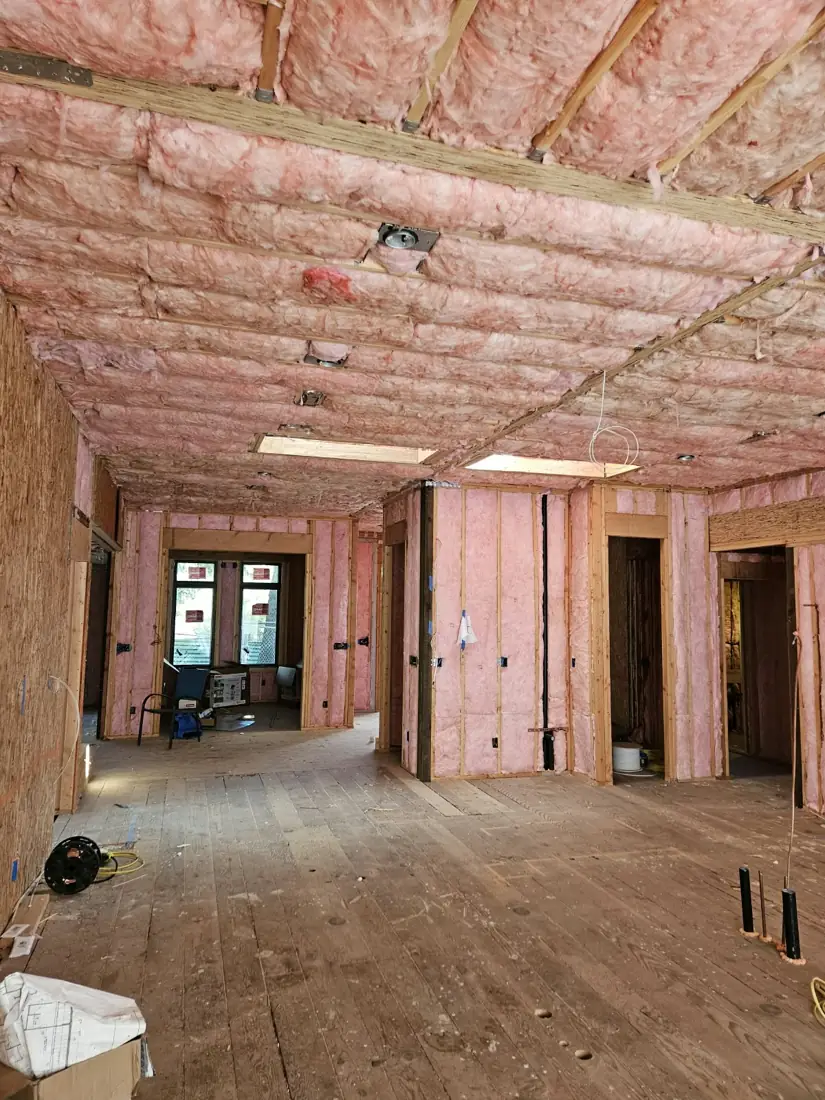
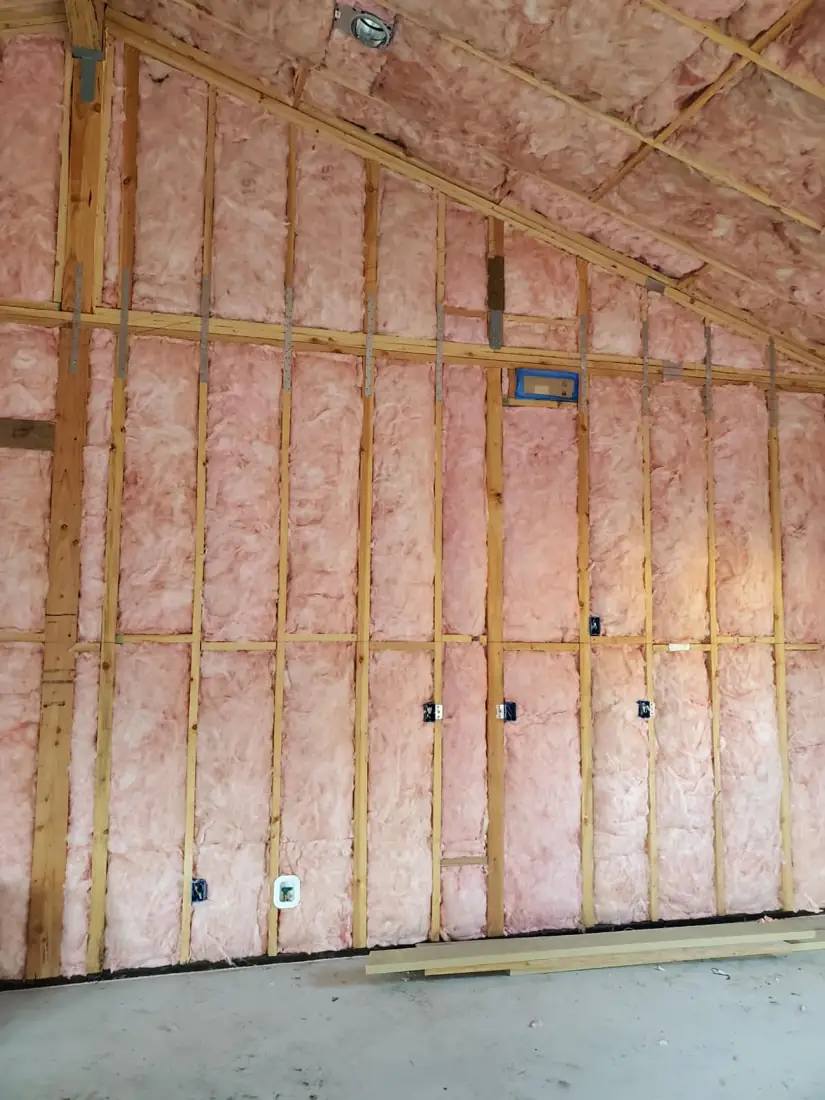
Why install quality matters more than the label
The R-value printed on the bag is what the batt delivers when it fills the cavity completely at its full thickness. Real walls rarely cooperate.
Gaps and voids
Even small gaps at the top or bottom of a cavity let air loop around the batt. A wall full of little gaps can perform noticeably worse than the label says. That is why California uses Quality Insulation Installation (QII) verification on many new homes.
Compression
Stuffing a thick batt into a thin cavity, or pressing it behind wires and pipes, squeezes out the trapped air that does the insulating. Splitting batts around obstructions keeps them at full loft.
Sagging floor batts
Underfloor batts that are not supported will slowly pull away from the subfloor and leave an air gap, which is why cold floors are so common in older homes. We secure floor batts so they stay in contact for the life of the house.
Fiberglass vs. mineral wool
| Fiberglass batts | Mineral wool batts | |
|---|---|---|
| R-value per inch | About R-3.0 to R-3.4, higher in high density batts | About R-4 in common products |
| Sound control | Good | Better, denser material |
| Fire and moisture | Noncombustible glass fiber, facings can burn | Noncombustible and water repellent |
| Cost | Lower | Higher |
| Common uses | Exterior walls, ceilings, floors | Sound walls, bathrooms, bedrooms, fire rated assemblies |
What affects the cost of batt insulation
- Total square footage of walls, ceilings and floors
- R-values required by your plans
- Fiberglass or mineral wool, faced or unfaced
- How complex the framing is, vaulted ceilings, tall walls and lots of penetrations
- Schedule. Rush jobs to hit an inspection date can be done, just call early
Send us your plans or have us walk the job, and you get a written price. Contractors and builders, call to set up your next project. For existing walls that are not being opened, see drill and fill wall insulation.
Batt insulation for builders and homeowners
For general contractors
We know the inspection clock is always running. Tell us when framing, rough plumbing and electrical will be signed off and we will be there to insulate so drywall can start on time. We read the energy compliance documents, install to the specified R-values, and leave the job clean.
For homeowners remodeling
If your contractor is opening walls or a ceiling, ask for insulation to be part of the plan. It is the cheapest time it will ever be to insulate those spaces, and once drywall is back up, the only option is drill and fill. We are happy to work directly for you or through your contractor.
Interior walls worth insulating
- Bedroom walls that share a wall with a bathroom, laundry or living room
- Home offices and nurseries
- Walls around media rooms and garages
- Floors between stories, to cut footstep noise
We install batts on new construction, ADUs, additions and remodels in San Jose, Santa Clara, Palo Alto, Mountain View, Los Gatos, Saratoga, Fremont, Pleasanton and across the rest of the Bay Area.
Frequently asked questions
Fiberglass or mineral wool batts, which is better?
Fiberglass is the budget standard and performs well when installed correctly. Mineral wool costs more but is denser, resists fire and moisture, and blocks more sound, so it is a popular pick for bedrooms, bathrooms and shared walls.
What R-value batts go in 2x4 and 2x6 walls?
2x4 walls typically get R-13 or R-15 batts. 2x6 walls typically get R-19 or R-21. Floors over crawl spaces usually get R-19 or R-30, and ceilings commonly get R-38 or more.
Should I use faced or unfaced batts?
In the mild Bay Area climate, unfaced batts are common in many assemblies. Kraft-faced batts are used where a vapor retarder is called for, installed toward the warm side of the wall. We follow the plans and local code for your project.
Do batts need to be inspected before drywall?
On new construction, additions and permitted remodels, yes. The insulation inspection happens before drywall goes up. We schedule our install so you are ready for that inspection.
Is batt insulation good for soundproofing?
It helps a lot. Mineral wool in interior walls around bedrooms, bathrooms, home offices and media rooms noticeably reduces sound moving from room to room.
How long does a batt insulation job take?
A single room remodel can be done in a few hours. A whole house or new build typically takes one to two days depending on size and how many areas are being insulated.
Related services
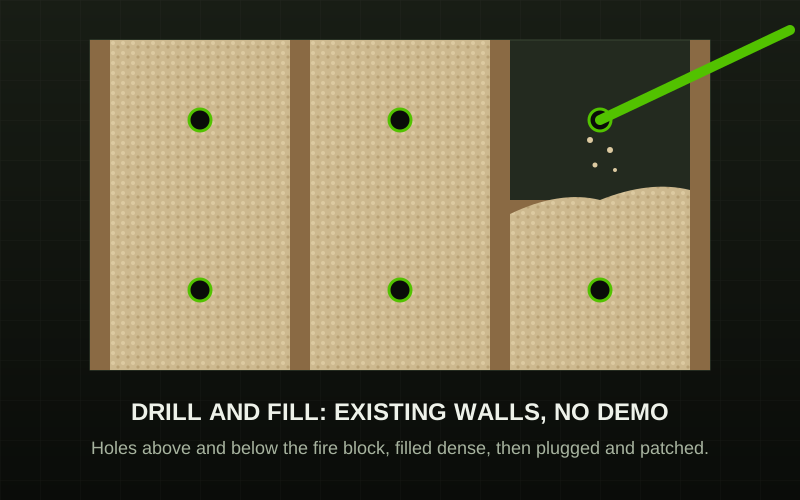
Drill & Fill Blow-In
Blow-in insulation for closed walls in older homes. Small holes, no demolition.
Learn more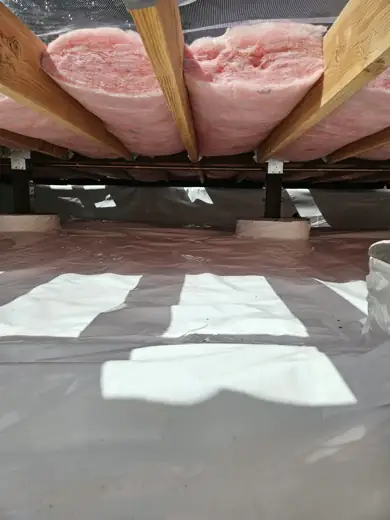
Crawl Space Insulation
Underfloor batts held tight to the subfloor, plus a ground vapor barrier.
Learn more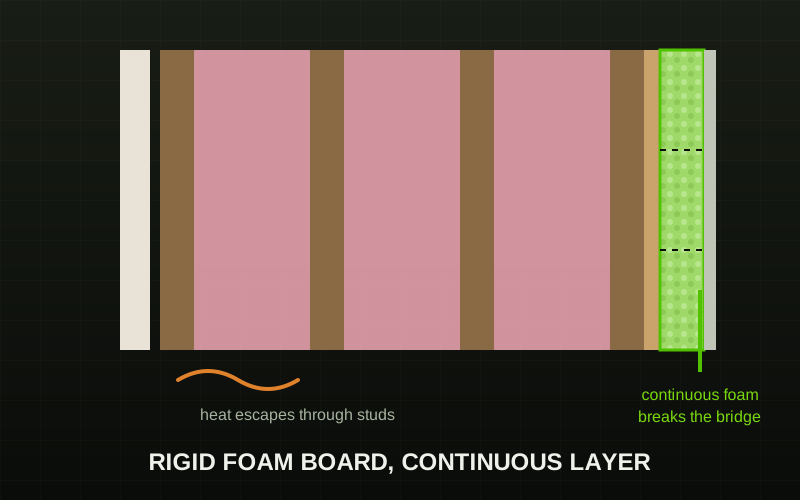
Rigid Foam Board
XPS, EPS and polyiso board for garages, slabs, exterior walls and commercial jobs.
Learn more