
Yes, we install open cell and closed cell spray foam insulation for homes and commercial buildings across San Jose and the Bay Area, and most residential jobs take one to three days. Spray foam insulates and air seals in one application, which makes it the right tool for certain spaces. It is not the right tool for every space, and we will tell you which one you have.
Spray foam is two liquid components mixed at the spray gun. It expands on contact, fills every gap and crack in the cavity, and cures in place. That expansion is what makes it different from fiberglass or cellulose: it does not just slow heat, it blocks air leakage at the same time. For roof decks, rim joists, metal buildings, cathedral ceilings and odd spaces where nothing else seals well, that is a big deal.
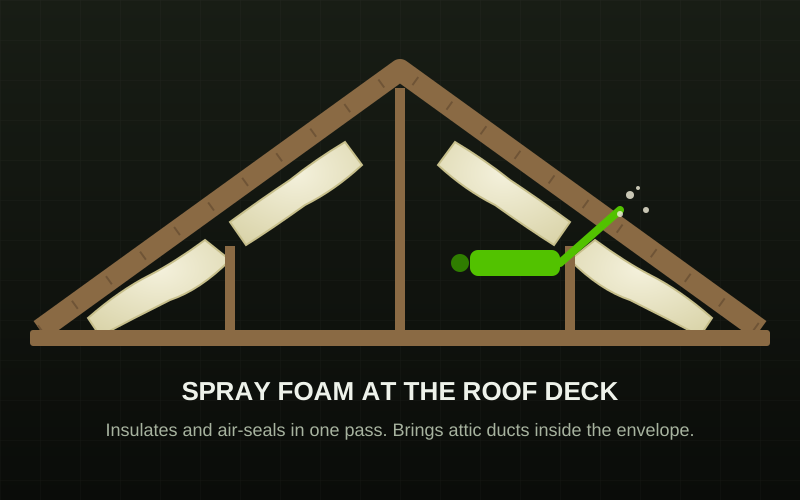
Foam at the roof deck turns the attic into conditioned space, so ducts up there are no longer sitting in 130 degree air.
Open cell vs. closed cell spray foam
| Open cell | Closed cell | |
|---|---|---|
| Density | About 0.5 lb per cubic foot, soft | About 2 lb per cubic foot, rigid |
| R-value per inch | About R-3.5 to R-3.8 | About R-6 to R-7 |
| Moisture | Vapor permeable | Acts as a vapor retarder at about 1.5 to 2 inches |
| Sound | Very good sound absorption | Good |
| Cost | Lower | Higher |
| Common uses | Under roof decks, interior walls, large cavities | Rim joists, crawl space walls, metal buildings, tight spaces |
How a spray foam job works
- Assess the buildingWe look at the roof, attic, ventilation, ductwork and moisture so the foam fits the assembly. On roof decks, whether the attic becomes conditioned space is a design decision we walk you through.
- Prep and maskWe cover floors, windows, fixtures and anything that should not get overspray, and set up ventilation.
- Spray in passesFoam goes on in controlled passes. Closed cell has a maximum thickness per pass, so thick applications are built up in layers.
- Trim and inspectOpen cell is trimmed flush where it needs to be. We check coverage and depth across the whole area.
- Thermal barrier where requiredCode usually requires foam in occupied spaces to be covered with a thermal barrier like drywall, or an ignition barrier in some attics. We plan for that up front.
Where spray foam makes the most sense
Attics with ductwork
Most Bay Area homes have HVAC ducts in the attic. Foaming the underside of the roof deck brings the whole attic inside the thermal envelope, so the ducts stop losing heating and cooling to the attic air. This changes how the attic works and must meet California energy code, so it is always a planned decision, never an upsell.
Rim joists and crawl space walls
The band where the floor framing sits on the foundation is one of the leakiest spots in a house, and batts do a poor job there. A few inches of closed cell foam seals and insulates it in one shot.
Metal and commercial buildings
Metal walls and roofs sweat when warm, humid air hits cold steel. Closed cell foam insulates and stops that condensation, which is why it is common on warehouses, shops and metal outbuildings.
Cathedral ceilings and tight spaces
Vaulted ceilings with shallow rafters leave little room for insulation. Closed cell gets the most R-value into the least depth.
When we will recommend something else
We are not going to sell you foam where it does not pay off. For a standard vented attic with the ducts in decent shape, blown-in attic insulation with air sealing usually gets you most of the benefit for far less. For finished walls, drill and fill is less disruptive. For new walls, batts or a combination often make sense. The right answer depends on the building.
What affects the cost of spray foam
- Open cell or closed cell, and the total thickness needed
- Square footage and access to the area
- Prep, masking and removal of existing insulation
- Thermal or ignition barrier requirements
- Residential vs. commercial scope and scheduling
We give you a written estimate after we have seen the space, including which foam, how thick, and why.
Signs spray foam might be the right fit
- Your HVAC ducts run through a hot attic and upstairs rooms still struggle
- You have a vaulted or cathedral ceiling with very little room for insulation
- A metal building or shop drips with condensation on cool mornings
- You feel drafts around the rim joist in a basement or crawl space
- You are converting an attic or bonus room into living space
Safety and re-entry
Spray foam is safe once it has cured, but the application itself needs care. During the job the area is ventilated and closed off, and our crew wears proper respiratory protection. We tell you ahead of time how long to stay out of the space, which is typically about a day for most products, and we follow the manufacturer's instructions for the specific foam we are installing.
We install spray foam for homeowners, builders and commercial clients across San Jose, Santa Clara, Milpitas, Fremont, Hayward and the rest of the Bay Area.
Frequently asked questions
Which is better, open cell or closed cell spray foam?
It depends on the job. Closed cell gives more R-value per inch, blocks moisture and adds rigidity, so it is best where space is tight or moisture is a concern. Open cell costs less, fills big cavities and absorbs sound, so it is common under roof decks and in interior walls.
Is spray foam worth it in the Bay Area's mild climate?
Sometimes. It shines when you need insulation and air sealing in one step, when ductwork sits in the attic and you want it inside the conditioned space, and in tight spots like rim joists and metal buildings. For a standard vented attic, blown-in insulation is often the better value, and we will tell you if that is the case.
How long before I can go back in the house after spray foam?
Most manufacturers call for about 24 hours of re-occupancy time with ventilation, but it varies by product. We give you the exact time for the foam we are using before the job starts.
Can spray foam cause moisture problems?
It can if the wrong foam or the wrong design is used, especially on roof decks. That is why the building assembly matters as much as the foam. We look at the whole roof and attic before recommending it.
Can spray foam be removed later?
Yes, but it is labor intensive because foam bonds to the framing and sheathing. That is one more reason to get the decision right the first time.
Do you use spray foam on commercial buildings?
Yes. Closed cell foam is a common fit for metal buildings, warehouses and commercial walls where condensation and air leakage are a problem. Call to talk through your building.
Related services
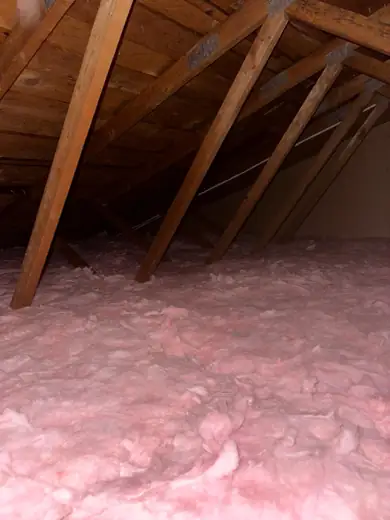
Attic Insulation
Blown-in and batt attic insulation brought up to the R-38 to R-49 range, with air sealing first.
Learn more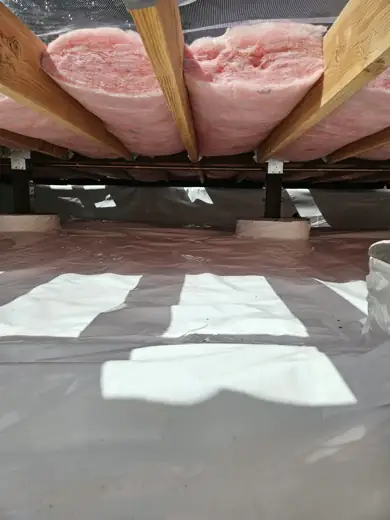
Crawl Space Insulation
Underfloor batts held tight to the subfloor, plus a ground vapor barrier.
Learn more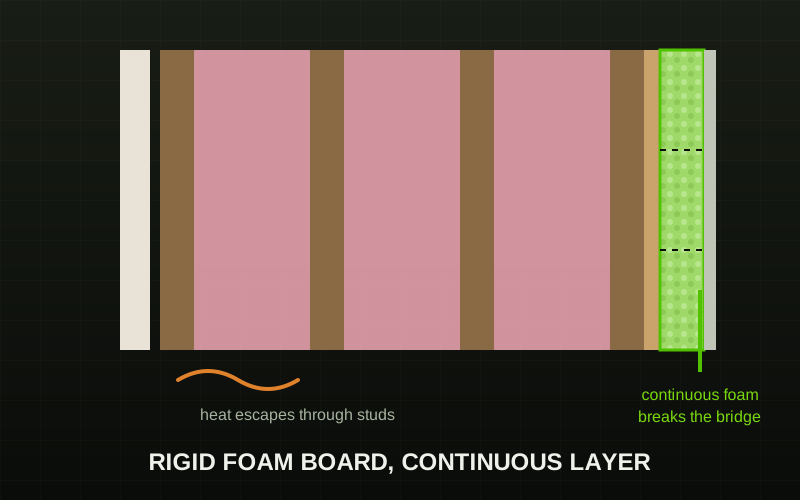
Rigid Foam Board
XPS, EPS and polyiso board for garages, slabs, exterior walls and commercial jobs.
Learn more