
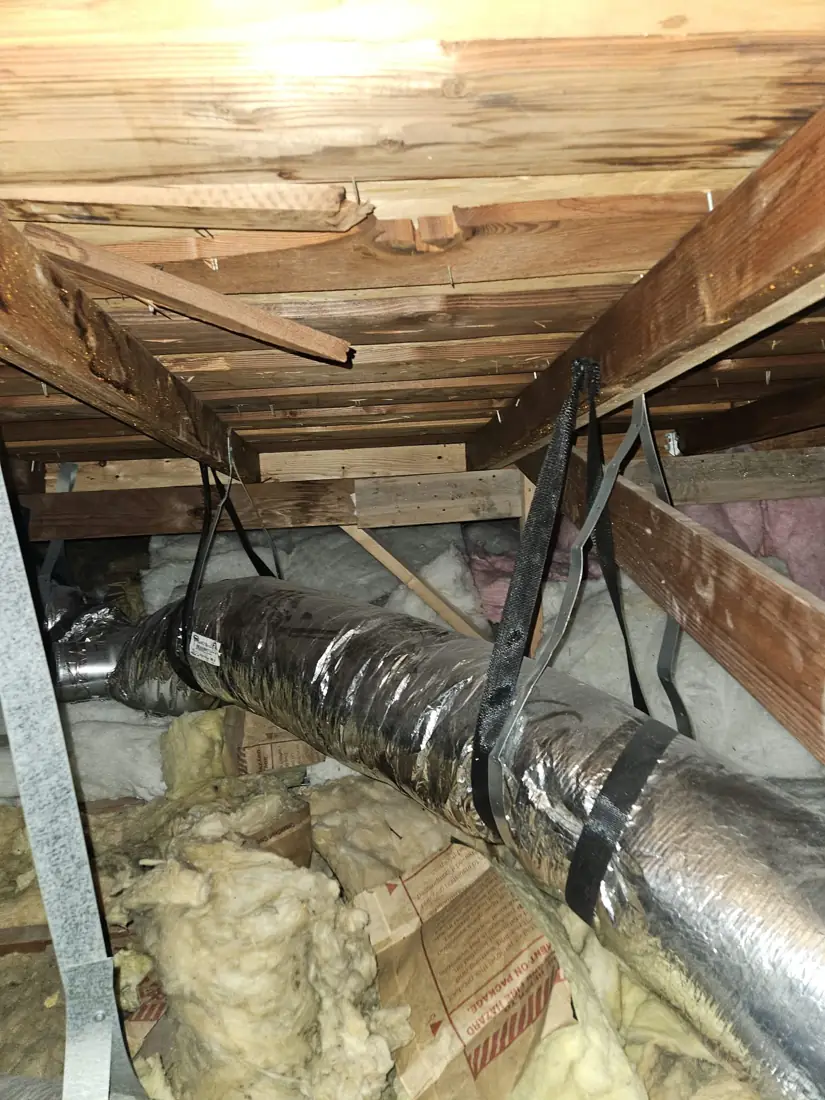
Yes, we remove old and contaminated insulation throughout San Jose and the Bay Area, and most removals are done in a single day. We use a commercial insulation vacuum, clean and sanitize the attic, seal the rodent entry points we find, and leave the attic ready for new insulation.
Insulation removal is the job nobody wants to think about until they have to. Maybe a pest company found rats nesting in the attic. Maybe a roof leak soaked one side of the house years ago. Maybe the home inspector wrote "insulation compressed and contaminated" on your report. Whatever brought you here, the fix is the same: get the bad material out, clean what is underneath, and start fresh.
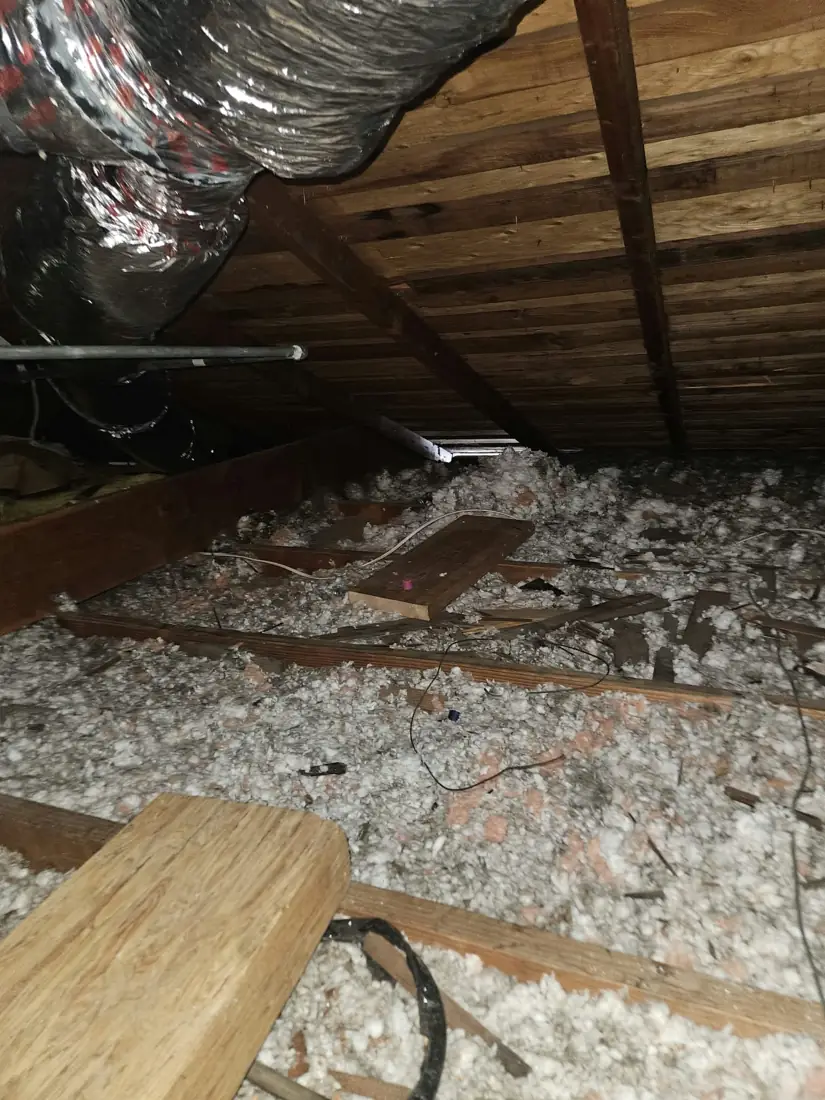
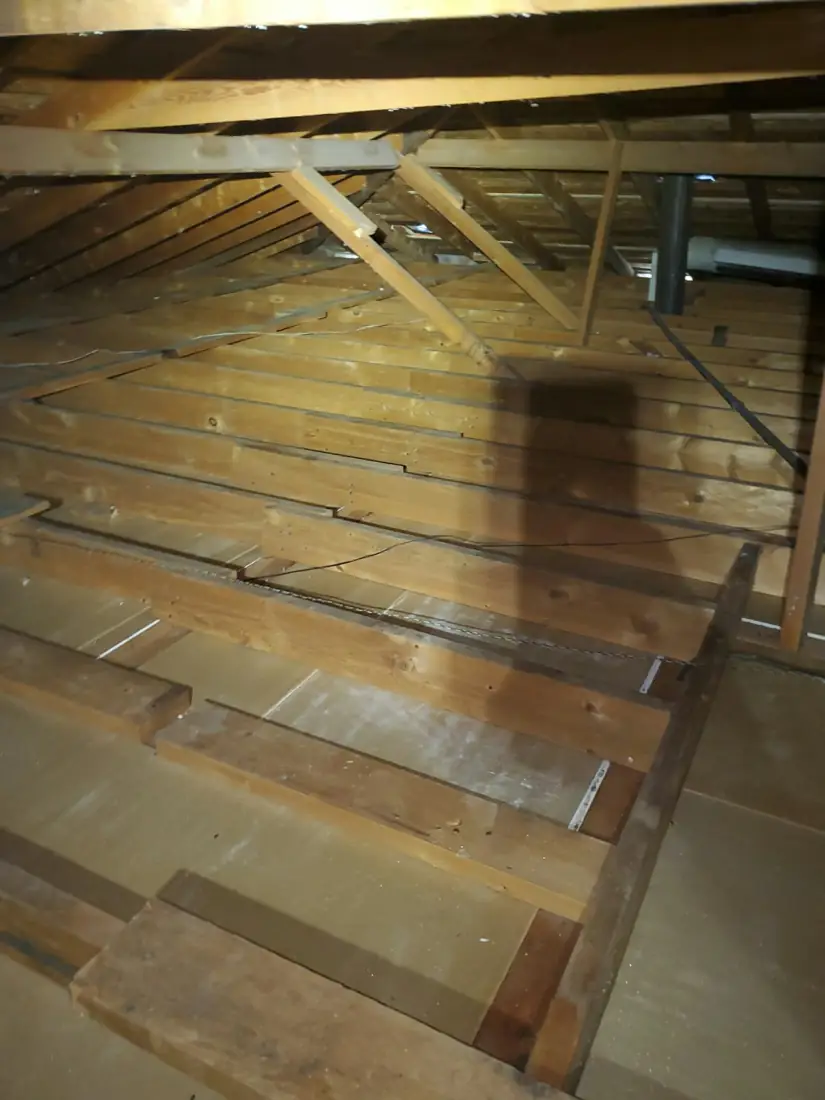
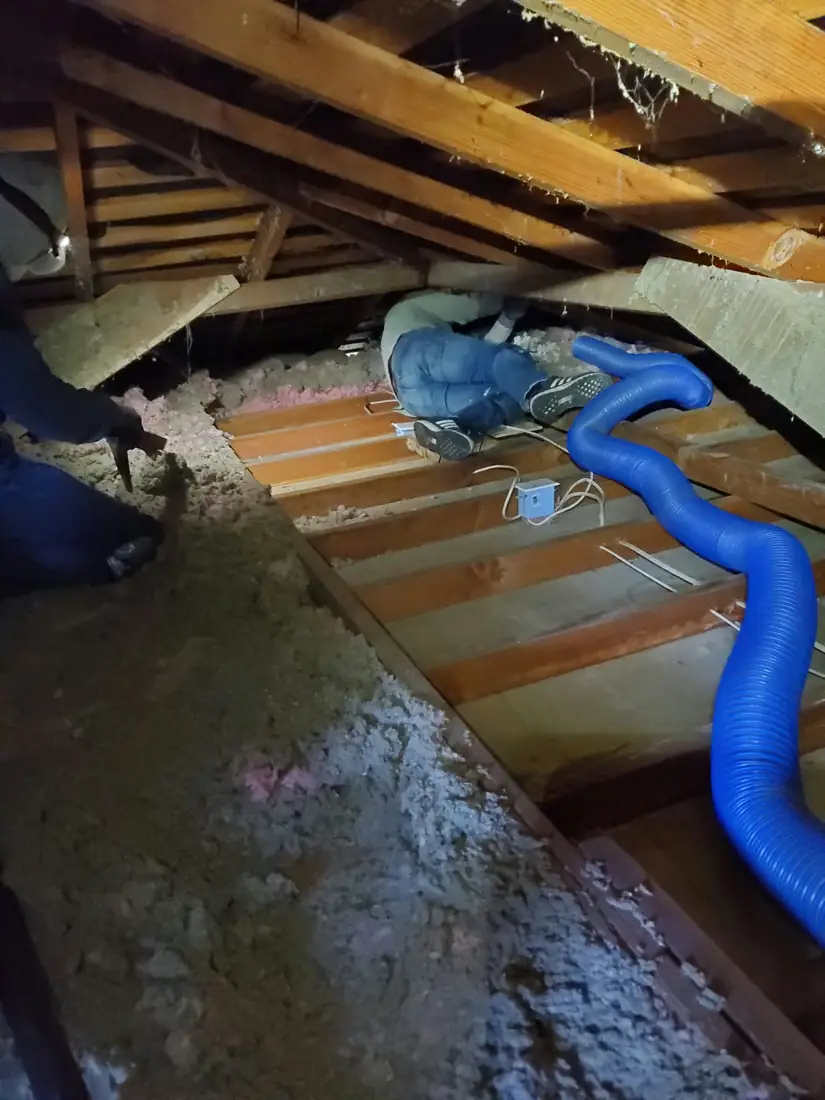
How our insulation removal process works
- Inspection and photosWe look at the type of insulation, how much there is, and why it has to go. Rodent activity, moisture, mold, smoke or asbestos-suspect material all change how the job is handled.
- Protecting your homeWe lay down floor protection from the door to the attic hatch and set up so dust stays in the attic, not in your hallway.
- Vacuum removalA high powered insulation vacuum pulls the old material through a hose to collection bags outside. It gets into the eaves and corners that hand removal misses.
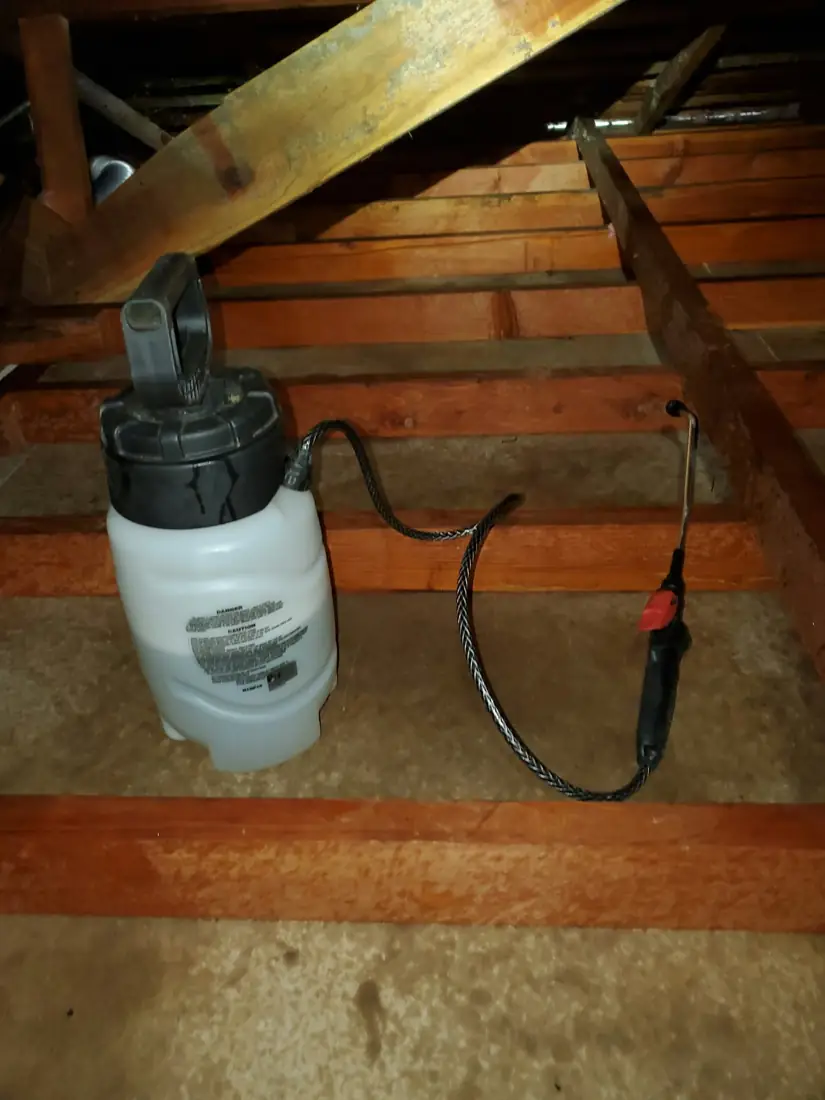
- Cleaning and sanitizingOnce the attic is empty we clean up the remaining debris and droppings and apply a sanitizing and deodorizing treatment to the attic floor and framing.
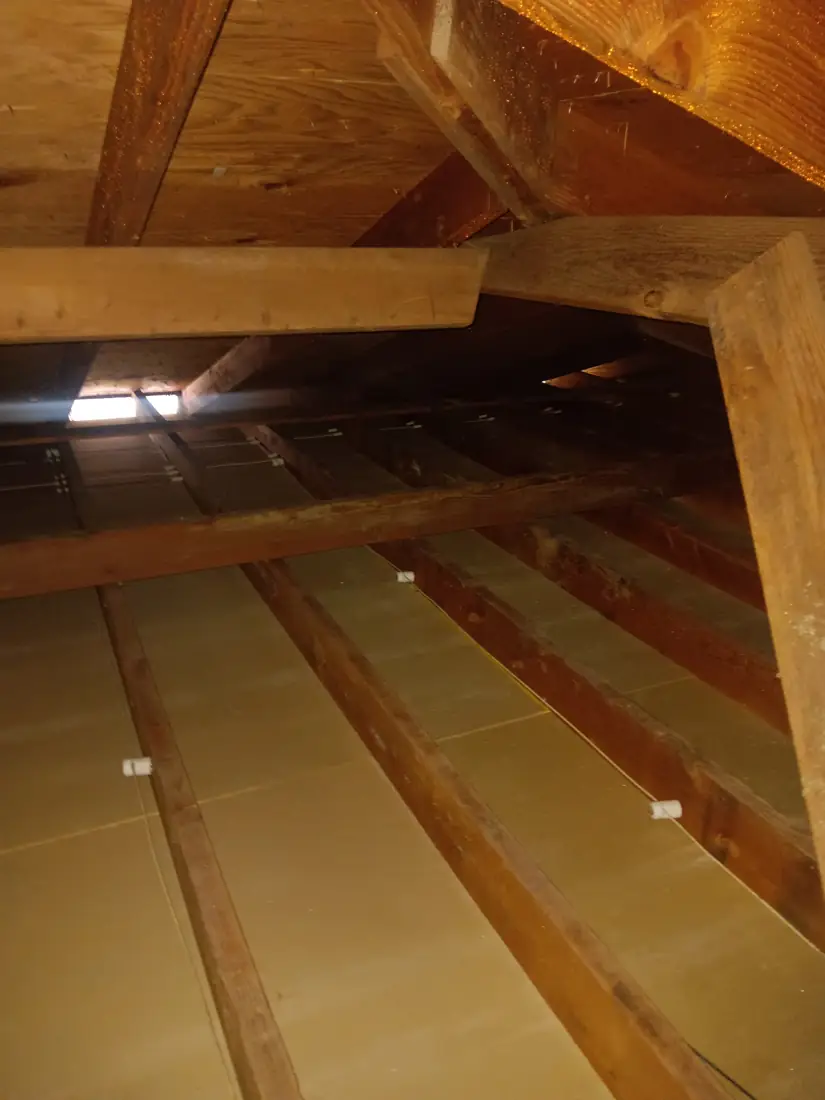
- Seal and prepWe close the gaps and holes we find, air seal the attic floor, and the attic is ready for new attic insulation, usually the same day or the next.
Why old insulation has to come out
Most people assume more insulation is always better. It usually is, unless what is already up there is the problem.
Rodent contamination
Rats and mice love attic insulation. They tunnel through it, nest in it, and leave urine and droppings behind. The smell can work its way into the house, and the contaminated material is a health concern. The CDC links rodent droppings to hantavirus, which is why contaminated insulation should be removed with a vacuum and proper protective gear, not swept up by hand. Rodent-damaged insulation is also flattened and full of holes, so it barely insulates anymore.
Water damage and mold
A past roof leak, a failed bathroom fan duct, or a condensate line that dripped for years can leave insulation wet, matted and moldy. Wet insulation loses most of its R-value, and it holds moisture against the wood framing and drywall. After the source of the water is fixed, the damaged insulation has to go.
Smoke, odor and age
After a fire, even a small one, insulation can hold smoke odor for years. And some attics simply have insulation so old and compressed that it performs a fraction of what it once did. In those attics, removing it lets us air seal the attic floor properly, which is impossible to do under a layer of old material.
Vermiculite: a special case
If your attic has pebble-like, gray-brown or gold granules instead of fluffy insulation, it may be vermiculite. Some vermiculite sold in the past contains asbestos. Do not disturb it, do not vacuum it with a shop vac, and do not store things on top of it. It needs to be tested, and if it contains asbestos it must be removed by a licensed abatement contractor. We will tell you honestly if we see it and point you in the right direction.
What affects the cost of insulation removal
- Attic square footage and how deep the existing insulation is
- Type of material. Loose-fill vacuums faster than batts that have to be bagged by hand
- How contaminated it is and how much cleaning and sanitizing is needed
- Access. Low roof pitches and tight eaves slow the work
- Whether you want new insulation installed right after (most people do)
We give you a written estimate after the inspection. Removal and reinstall are usually quoted together so you see the full cost up front.
Rodents still getting in? New insulation will be ruined fast if the entry points stay open. Work with a pest control company to close up the house before or during the job. We seal what we can reach from the attic side and will point out anything we see.
Signs your attic insulation needs to come out
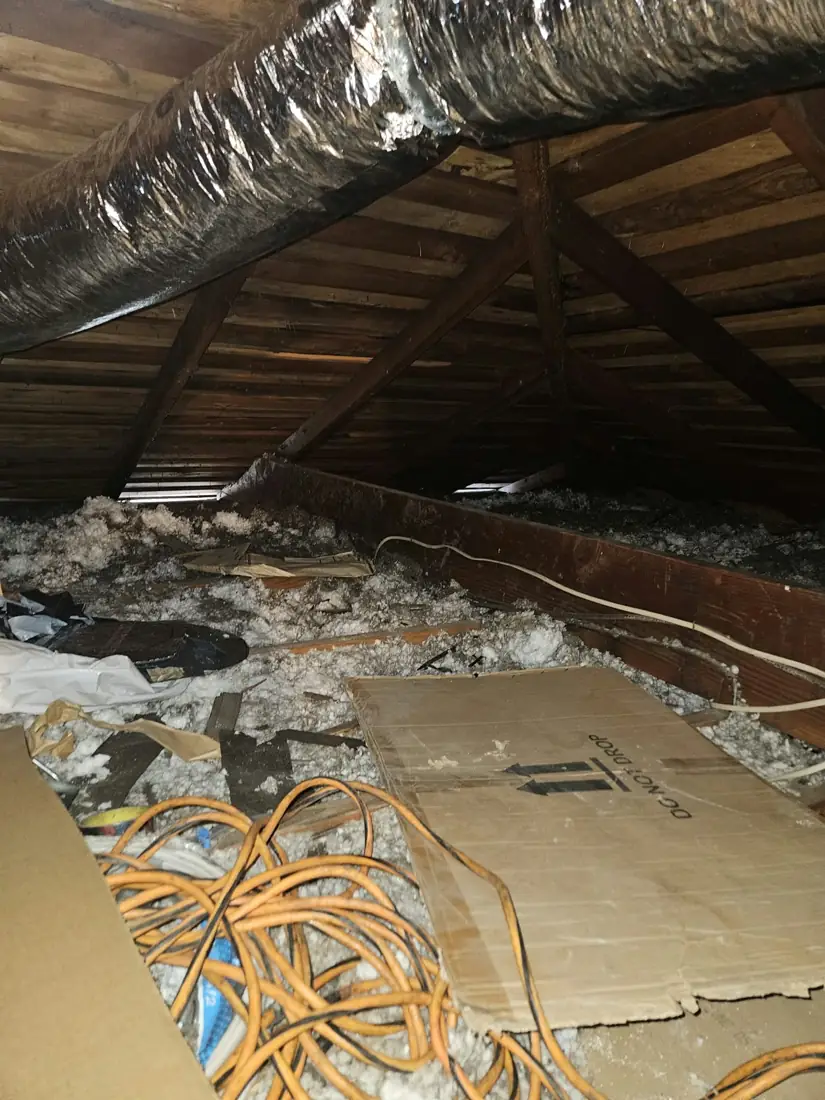
- Droppings, nests, or trails and tunnels running through the insulation
- A stale, musty or ammonia smell near the attic hatch or in upstairs closets
- Dark stains, clumps or matted areas from an old roof or vent leak
- Insulation that is flat, gray and a couple of inches deep where it used to be fluffy
- A pest control report or home inspection that calls out contaminated insulation
- Smoke smell that comes back on hot days after a fire nearby or in the home
Removal before selling or after buying
We see a lot of removal jobs right after escrow. Buyers get the inspection report, see "rodent activity in attic," and want it handled before they move furniture in. Sellers do the same to clear a line item before listing. Either way, an empty house is the easiest time to do it, and we can usually work around closing and move-in dates.
Removal across the Bay Area
We do insulation removal in San Jose, Santa Clara, Sunnyvale, Cupertino, Campbell, Los Gatos, Milpitas, Fremont, the Peninsula and the East Bay. Older neighborhoods with mature trees and wood shake or tile roofs tend to see the most rodent activity, and those are the attics we clean out most often.
Frequently asked questions
Do I have to remove old insulation before adding new?
Only if it is contaminated, wet, moldy, smoke damaged or badly compressed. Clean, dry insulation can usually stay, and we top it off instead. We will show you photos and tell you which situation you are in.
Is it safe to remove attic insulation myself?
We do not recommend it when there are rodent droppings, because disturbing them can put particles in the air, and the CDC links rodent droppings to hantavirus. It is also a brutal, messy job without a commercial vacuum. If you see vermiculite, do not touch it at all and have it tested.
Can I stay home during insulation removal?
Usually yes. The vacuum hose runs from the attic to collection bags outside, so the material never passes through your rooms. We protect the path to the attic hatch and seal the access while we work.
How long does insulation removal take?
Most homes are done in one day. Removal, sanitizing and a new install together usually take one to two days. Heavy rodent contamination or a large attic can add time.
What are the signs of rodents in my attic insulation?
Droppings, tunnels or trails through the insulation, scratching at night, chewed wiring or duct wrap, and a stale or ammonia smell near the hatch. Any of those is a reason to have the attic inspected.
What happens to the old insulation?
It is vacuumed into large sealed bags outside your home and hauled away for disposal. Nothing is left in your yard or garage.
Related services
Attic Insulation
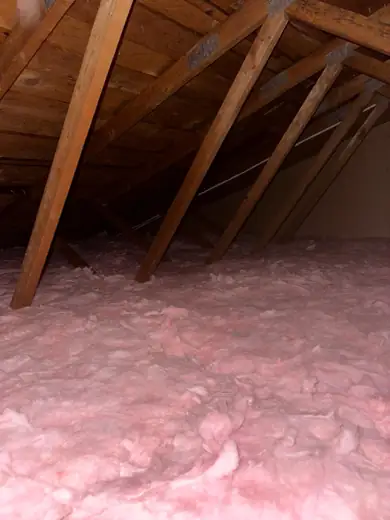
Blown-in and batt attic insulation brought up to the R-38 to R-49 range, with air sealing first.
Learn more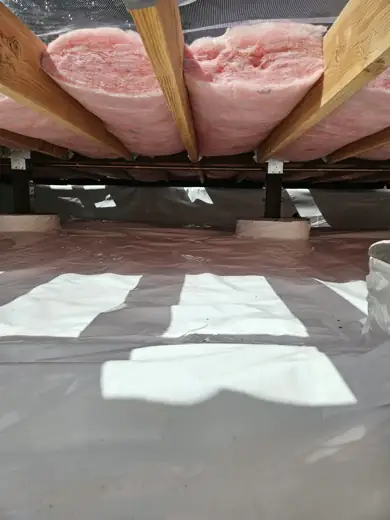
Crawl Space Insulation
Underfloor batts held tight to the subfloor, plus a ground vapor barrier.
Learn more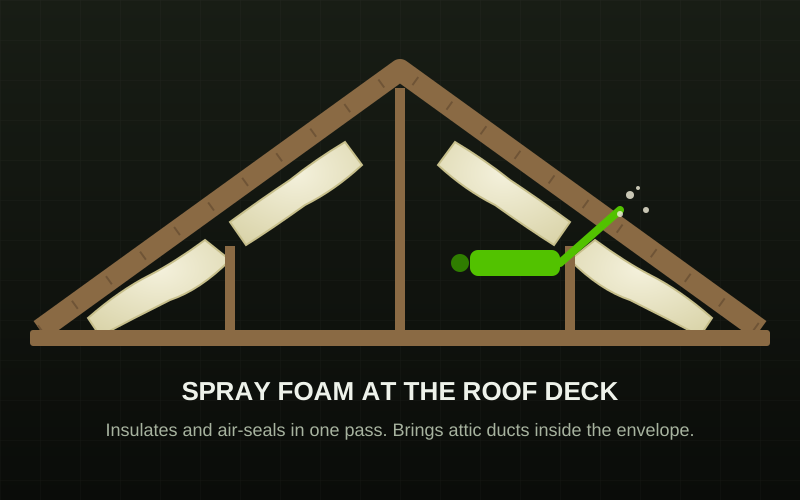
Spray Foam Insulation
Open and closed cell foam for roof decks, rim joists, metal buildings and tight spaces.
Learn more